Bentley's First EV Completes 621,000 Miles Of Extreme Testing
Extensive validation puts the Bentley Torcal battery, software, and structure through extreme climates, high-altitude runs, and detailed safety testing.
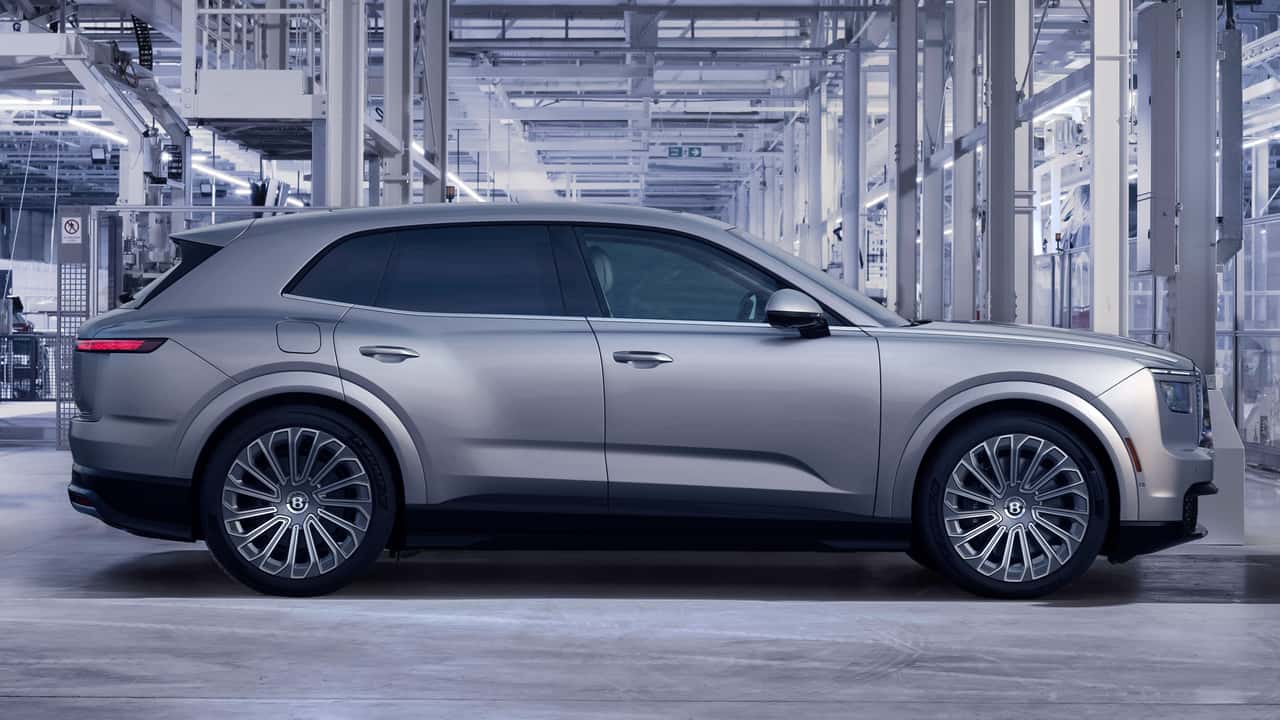

Bentley's engineers have spent the past several years trying to break an electric SUV before customers ever get the chance. The Torcal, the automaker's first EV, has now logged more than 1,000,000 kilometers (621,000 miles) of testing across some of the harshest climates on the planet.
That program covered temperatures from minus 36 degrees Fahrenheit in Sweden to over 104 degrees in desert heat, plus altitude runs above 14,000 feet at Pikes Peak. Bentley says the work is meant to confirm the Torcal is ready for real customers.
The launch-spec Torcal First Edition produces 876 horsepower and 996 pound-feet of torque. Those numbers sit on top of all that validation work. Bentley has already detailed the Torcal's name, its Crewe production status and its interior ahead of this testing recap.
Bentley Torcal Testing

Bentley Torcal Validation Prototype In Factory
Three specialist teams worked in parallel on electrical architecture, software integration and testing. Bentley calls that structure necessary for building an electronic ecosystem.
Engineers had more than 90 percent of parts on hand during the physical design confirmation phase. That let them compare real components against CAD data using laser scanning instead of waiting for a finished prototype, speeding up design feedback before tooling was locked.
Software updates arrived every six weeks throughout development, each one tested in labs and in real vehicles before moving forward. It is the kind of cycle more common in consumer electronics than in traditional coachbuilt vehicles. That shows how much of the Torcal's engineering now lives in code.
Gallery: 2028 Bentley Torcal
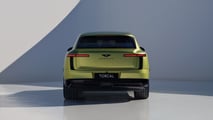
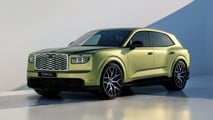
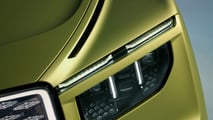
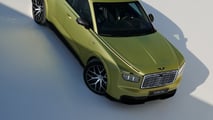
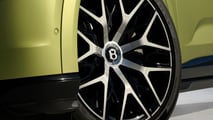
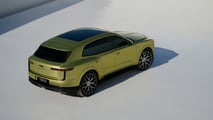
Bentley Torcal Battery Combines Energy Density With Impact Protection
The Torcal's battery weighs roughly 1,378 pounds and delivers an energy density above 180 Wh/kg. Those figures explain part of how Bentley balances range against the SUV's considerable mass, which is roughly 6,162 pounds. The pack is built around an 800-volt architecture, rated at 113.3 kWh gross and 109.0 kWh usable.
Charging tops out at 400 kW on DC fast chargers, with a claimed 10-to-80-percent session taking 16 minutes under suitable conditions. Those numbers put the Torcal in line with other high-end 800-volt EVs.
Protection comes from a composite impact shield plus a two-hour fire-resistance target. The battery must avoid flame spread or explosion for that window if a thermal event occurs. Underbody tests also fired a 30-millimeter steel projectile, weighing roughly 111 grams, or about 3.9 ounces, at the battery casing at speeds over 99 mph.
Salt-spray corrosion testing and broader environmental durability checks completed the battery validation program. Bentley says those steps help the pack meet global safety requirements as First Edition customer cars move through the order and allocation process.
More From Bentley:
Source: Bentley
RECOMMENDED FOR YOU
Every Detail Packed Into The Bentley Torcal First Edition
Volkswagen Pauses Electric Golf Development Amid Financial Struggles
Rare 1928 Bentley Barn Find Could Be Worth Over $1 Million
Ariel Finally Brings Extreme Atom And Nomad To US
Audi Reportedly Exploring A New Off-Road SUV Based On Scout
Woman Goes To McDonald’s Drive-Thru. Then Her Tesla Starts To Update Right Then And There: ‘Shouldn’t This Be Common Sense?’
BMW Moved 1 Million Cars Inside Plants Without Drivers