BMW Is Reportedly Cutting 1,800 Jobs In China
Job cuts at BMW Brilliance's Shenyang operations begin November 2, with reported N+5 severance and sales declines pressuring 2026 profitability.
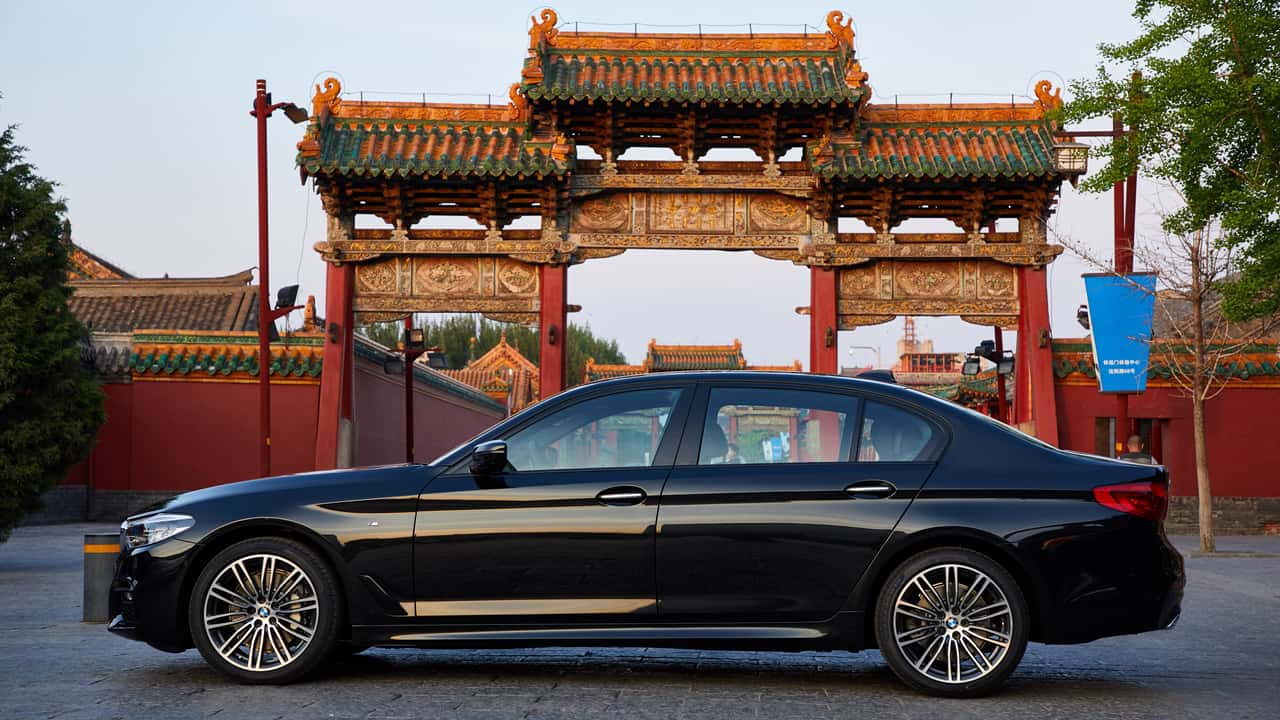

BMW Brilliance Automotive has started cutting about 1,800 jobs at its Shenyang operations, with the reductions beginning on November 2. The figure represents roughly 10 percent of the joint venture's headcount, and it arrives as BMW's China sales come under heavier pressure.
Most of the affected workers are frontline production staff, though some administrative roles are included too. BMW has not confirmed the cuts publicly, and it's unclear whether they are tied to any wider restructuring beyond the Chinese market.
BMW Brilliance began as a joint venture with Brilliance Group in 2003, and BMW has controlled it since a 2022 stake increase. The company has reportedly slowed hiring and let contracts lapse over the past three years before this round of cuts began.
Severance for departing employees reportedly follows an N+5 formula, with "N" tied to pre-tax monthly salary for each year of service and the extra five months paid at base salary, excluding bonuses. That's more generous than the standard N severance baseline, though still short of what some workers expected given the company's German footprint.
BMW has made other workforce moves abroad recently, including cuts tied to its 8,000 planned job reductions in Germany and a separate round of management-level cuts announced as part of a broader strategy shift. Neither of those moves has been formally linked to the Shenyang layoffs.
Other automakers have run similar plans this year. Volkswagen circulated an internal memo discussing layoffs affecting up to 100,000 positions globally, while Porsche has reportedly weighed cutting roughly 5,000 jobs as margins tighten across the German industry.
What BMW's China Sales Slump Reveals About The Timing

First BMW iX3 comes off production line at BMW Brilliance Automotive in Shenyang, China 2020
BMW's third-quarter deliveries fell 6.3 percent year over year to 551,075 vehicles worldwide. Results in China dropped much more sharply, down about 25 percent in the same quarter compared with a year earlier, as competition from local brands intensified.
Combined BMW and Mini deliveries in China for the first nine months of 2026 came to 376,128 vehicles, down 21.8 percent from the same stretch a year earlier. China's share of BMW's global sales mix has shrunk too, slipping from 29.2 percent in 2023 to 25.4 percent in 2025, as domestic brands take a bigger slice of the country's EV and hybrid market.
BMW Group responded by cutting its 2026 Automotive segment profit outlook twice this year. Guidance moved from an original 4 to 6 percent EBIT-margin to a 1 to 3 percent range in June. Then came another cut, to a margin of negative 0.5 percent to positive 0.5 percent in November, with the latest reduction linked to expanded portfolio and structural measures tied to phasing out older hardware.
The company still expects its automotive margin before those one-time measures to stay above 2.0 percent, and it now guides to a moderate decrease in 2026 deliveries versus last year.
BMW has not clarified whether the Shenyang job cuts are part of those structural measures.
Why BMW Hasn't Confirmed The Shenyang Layoffs
BMW Brilliance had issued no official statement on the reported layoffs as of this writing, leaving the scale and scope of the cuts unverified by the company itself. That silence follows a pattern BMW has shown with other workforce reductions, including a reported voluntary exit program that also went unconfirmed for weeks after it surfaced.
Jaguar Land Rover took a similar approach earlier this year with its own voluntary departure offer, which it also declined to detail publicly until pressed. The pattern suggests automakers increasingly prefer letting workforce reductions surface through local reporting rather than global press releases.
For now, the 1,800 positions at Shenyang stand as a reported, not confirmed, reduction tied to a specific plant and a specific BMW-controlled subsidiary in China. BMW's latest guidance links its lower 2026 Automotive EBIT margin to expanded portfolio and structural measures, including phasing out older vehicle and technology generations as Neue Klasse ramps up, and upcoming financial disclosures may show whether the Chinese cuts sit inside that push.
More From BMW:
Source: AI4Robo via Car News China
RECOMMENDED FOR YOU
Alpina's First Car In The BMW Era Hits 186 MPH During High-Speed Testing
Honda Just Had Its Best October Sales Month In Six Years
BMW Takes Aim At Tesla With New Driver Assistance Tech Coming In 2027
Cadillac's F1 Team May Already Be For Sale For $3 Billion
BMW Uses A Weird 1990s AI Car To Mock 'Boring' Designs
Mercedes Found Another Place To Put A Screen: The Windows
BMW's Electric Cars Are Helping Keep Its V8s Alive