Mitsubishi Is Winning Back Old Customers And Attracting New Ones With The Reborn Pajero
Most shoppers are switching from other brands, while the rest include former Mitsubishi owners returning after years away.
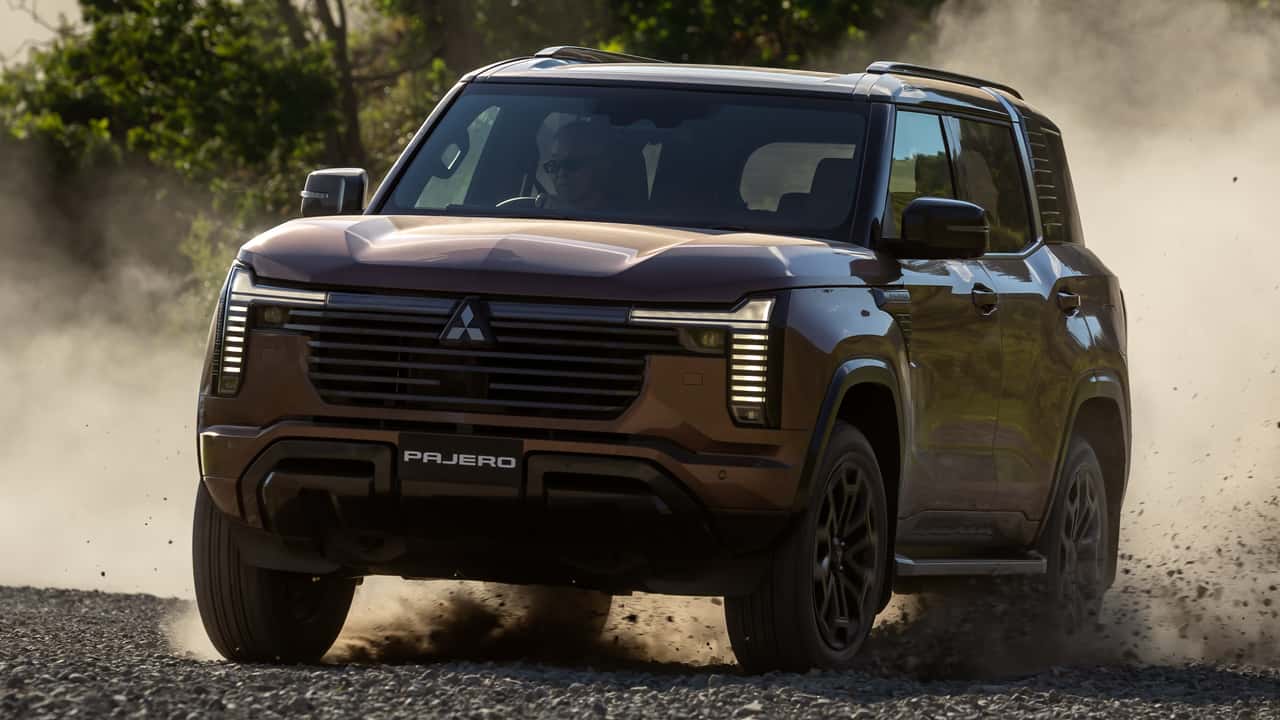

Mitsubishi isn't just bringing back one of its most important nameplates. It's also using the new Pajero to win over customers who previously bought cars from rival automakers while convincing former owners to return to the brand. The early numbers suggest the strategy is working, with the revived off-roader attracting considerable interest even before its Japanese market launch.
Preorders opened on October 1, and Mitsubishi had received approximately 5,500 orders by October 28. That's already more than the company's sales target for the entire fiscal year, which ends in March 2027. It strongly suggests the Pajero's much-awaited comeback is resonating with buyers.
The most interesting detail is where those orders are coming from. According to Mitsubishi, as cited by Automotive News, nearly 80 percent of buyers are switching from another brand. That's a significant conquest rate for a company trying to strengthen its position in the increasingly competitive SUV market.

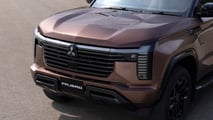
2027 Mitsubishi Pajero
Previous Mitsubishi Customers Are Returning
Even more encouragingly, some customers are returning to Mitsubishi after years away. They previously owned a Pajero or another Mitsubishi model, switched to a rival automaker, and are now coming back because of the new flagship. Others have family connections to the nameplate, with some buyers saying their parents once owned a Pajero.
The new SUV is also attracting customers from other rugged off-roaders, as well as more conventional SUVs and large minivans. Among existing Mitsubishi owners, the most common trade-ins are the Delica D:5, Outlander, and previous-generation Pajero. In other words, Mitsubishi isn't relying solely on nostalgia to sell its returning icon. It's attracting new customers while giving former owners a compelling reason to come back.
Most Buyers Want The Fully Loaded Version
Another interesting finding is that customers aren't exactly shopping at the bottom of the range. Approximately 70 percent of orders are for the flagship Super Exceed, which costs 7,950,800 yen (roughly $51,400). The Exceed, GSR, and GLS complete the four-trim lineup, with prices starting at 6,193,000 yen (around $40,000).
The Super Exceed combines the Pajero's traditional off-road credentials with a more luxurious approach. It gets semi-aniline leather upholstery, 20-inch alloy wheels, a 12-speaker Yamaha sound system, ventilated front seats, and heated seats for the first two rows.
Mitsubishi clearly wants the new Pajero to appeal to buyers who might otherwise consider a Toyota Land Cruiser or another off-road SUV. The fact that so many customers are choosing the most expensive version suggests they're willing to pay extra for the added luxury.
Mitsubishi will officially launch the new Pajero in Japan on December 17. The company has already exceeded its fiscal-year sales target before the SUV reaches dealerships, and the early customer mix suggests the comeback is doing more than bringing back an old favorite. A possible return to the United States as a Montero has not been confirmed yet, though.
Mitsubishi May Finally Have A New Winner On Its Hands
For a brand that has spent years strengthening its identity, winning over customers from rival automakers while convincing former owners to return is arguably as important as securing 5,500 orders. The Pajero isn't simply bringing Mitsubishi's past back to life; it could also help secure the company's future.
The Pajero won't be Mitsubishi's standalone comeback story, either. The Japanese automaker plans to turn the revived nameplate into a family of SUVs, with at least two smaller models in the pipeline. They will broaden the lineup below the flagship off-roader, giving Mitsubishi more options to attract buyers in different segments. It's a strategy that makes sense for a brand looking to build on the renewed interest in its iconic nameplate rather than relying on a single model to bring customers back into showrooms.
2027 Mitsubishi Pajero


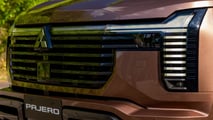
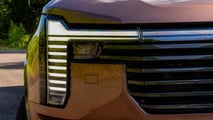
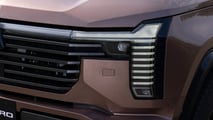
The New Pajero Is An All-Mitsubishi Effort
Mitsubishi has increasingly relied on badge-engineered models to expand its lineup, selling rebadged vehicles developed alongside Renault and Nissan. The Pajero, however, is a different story. Rather than simply putting its logo on someone else's SUV, Mitsubishi has developed the off-roader around the same ladder-frame platform as the Triton pickup truck. That gives the revived nameplate the rugged underpinnings it needs to deliver genuine off-road capability rather than just looking the part.
The Pajero isn't the only important Mitsubishi nameplate enthusiasts want to see return. The Lancer Evolution is another, but there's sadly no revival on the horizon just yet. Mitsubishi president Keisuke Kishiura has described the Evo, along with the Galant and Diamante, as company "treasures," and hopes all three could eventually return. However, Mitsubishi has no concrete plans for the sports sedan and isn't currently developing a successor.
The company first needs to strengthen its finances and expand its lineup with more volume-selling models. So, while the Pajero is back, fans shouldn't hold their breath for an Evo XI. Maybe one day…
All About The New Pajero:
Sources: Mitsubishi, Automotive News
RECOMMENDED FOR YOU
Mitsubishi Is Keeping The Lancer Evo's Spirit Alive... In An SUV Built By Another Company
Honda's Hotter Civic Type R Is 'In Development' For The US
Mitsubishi Turned The Outlander Into An Off-Road SUV For SEMA
Karma’s Revero Just Became A 1,200-HP V8 Hybrid Track Weapon
Mitsubishi Eclipse Sportback Costs $8,000 More Than Nissan Leaf On Shared EV Hardware
Man Has Pedal Commander In His Chevrolet. It’s Uninstalled. American Auto Shield Still Denies His Warranty—And Cancels His Policy
Volkswagen Boss Tells Workers It 'Can't Afford' An Electric Version Of Its Most Important Car