Porsche Says No To US Factories While Audi Pours $4 Billion Into Georgia
Porsche keeps Cayenne and other models European-built under a permanent 15 percent tariff, while Audi chases 200,000 Georgia-built SUVs.
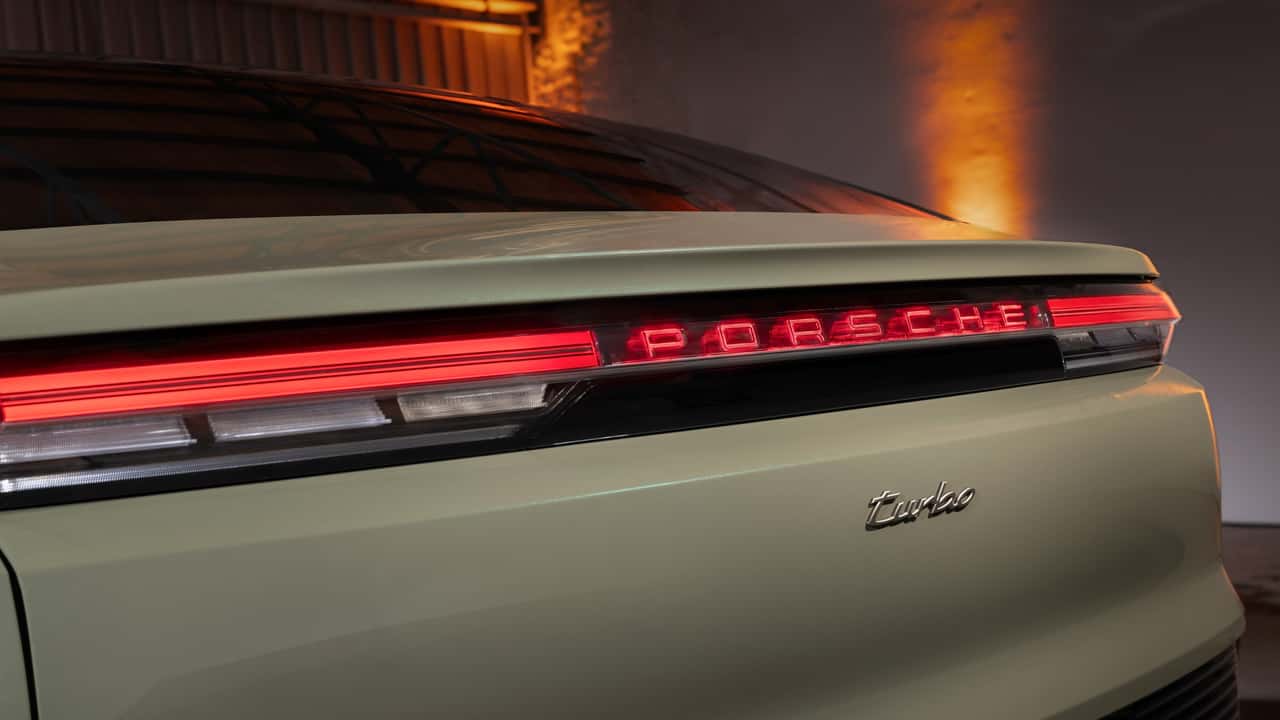

Porsche just gave Volkswagen's Audi brand a deliberate sidestep. Days after Audi committed $4 billion to a new Georgia factory, Porsche's finance chief made clear the sports car brand is not following.
Jochen Breckner, Porsche's chief financial officer, said low production volumes rule out shifting manufacturing to the United States. That leaves Porsche's entire US lineup, Cayenne included, built in Europe and shipped across the Atlantic. US import duties now total 15 percent on most cars from Europe, on top of the longstanding 2.5 percent base rate.
Porsche Will Keep US Vehicles Imported

2026 Porsche Cayenne S Electric
Breckner laid out the numbers behind the decision plainly: "We would still have engines and other parts that we would need to export into the United States," pointing to the dense European supplier network that Porsche's low-volume models depend on even if final assembly moved stateside.
Volkswagen's Audi brand just made a different calculation with its new factory in Georgia, which will build SUVs by the hundreds of thousands a year. Porsche does not sell at that scale. Splitting a small production run across two continents adds cost without solving the tariff problem.
Breckner also said he is not banking on relief from Washington. "We are basing our business model on the assumption that the 15 percent tariffs [will] remain in place," he said. Porsche has told investors it expects tariff costs related to the current 15 percent regime to run in the high hundreds of millions of euros in 2026, after roughly €500 million over the first nine months of 2025.
The Cayenne is the clearest example. Porsche has no plans to move the SUV's production to the US. The brand again cites volumes too small to justify a dedicated American line, even though the Cayenne is one of its best-selling nameplates worldwide.
Audi's Georgia Factory Targets 200,000 SUVs
2027 Audi Q9
Audi's rationale runs in the opposite direction. The Middle Georgia Megasite plant is designed around high-volume SUVs, with 200,000 vehicles a year at full capacity and roughly 4,500 jobs once production ramps up in 2031.
Volkswagen Group's talks with US officials on tariffs and investment have stretched across several years and administrations. The Georgia plant emerged from that broader process and from a long courtship between Georgia leaders and Audi. Media reports have put Audi's recent annual tariff hit from shipping vehicles in from Europe and Mexico in the billion-euro range, and executives now describe the Georgia project as a way to reduce that exposure over time.
Porsche's own numbers explain why it isn't chasing the same fix. The brand posted an operating profit of €387 million in the third quarter, a sharp reversal from a €967 million loss a year earlier. Quarterly revenue still fell 7.5 percent to €8 billion as sales in China kept sliding. In the first nine months of 2026, Porsche put the cost of US tariffs at around €500 million.
Nine-month deliveries dropped 16 percent to 178,532 units, and Breckner isn't expecting tariff relief to change that trajectory. Porsche is instead pinning its recovery on a new combustion compact SUV due in 2028 as a successor to the current gas Macan, a bet the company says fits the numbers better than a US factory ever did.
More From Porsche:
Source: Financial Times
RECOMMENDED FOR YOU
Audi Reportedly Exploring A New Off-Road SUV Based On Scout
2027 Jeep Compass Gets A Price Hike As Standard Features Improve
The Audi A8 Gets A Concept C Makeover, And It Looks Fantastic
Mercedes Boss Talks Electric E-Class, Developed From A 'White Sheet Of Paper'
Porsche Just Confirmed Audi's Electric Sports Car Will Share Its Boxster And Cayman EV Platform
Karma Teases A Winged, Track-Ready Coupe For Halloween Reveal In Las Vegas
Audi's Full-Size SUV Was Worth The Wait: Driven