The New Tesla Roadster Looks Nothing Like The Concept
Tesla has spent nine years reworking the Roadster, but the sleek concept has given way to a much more angular design.
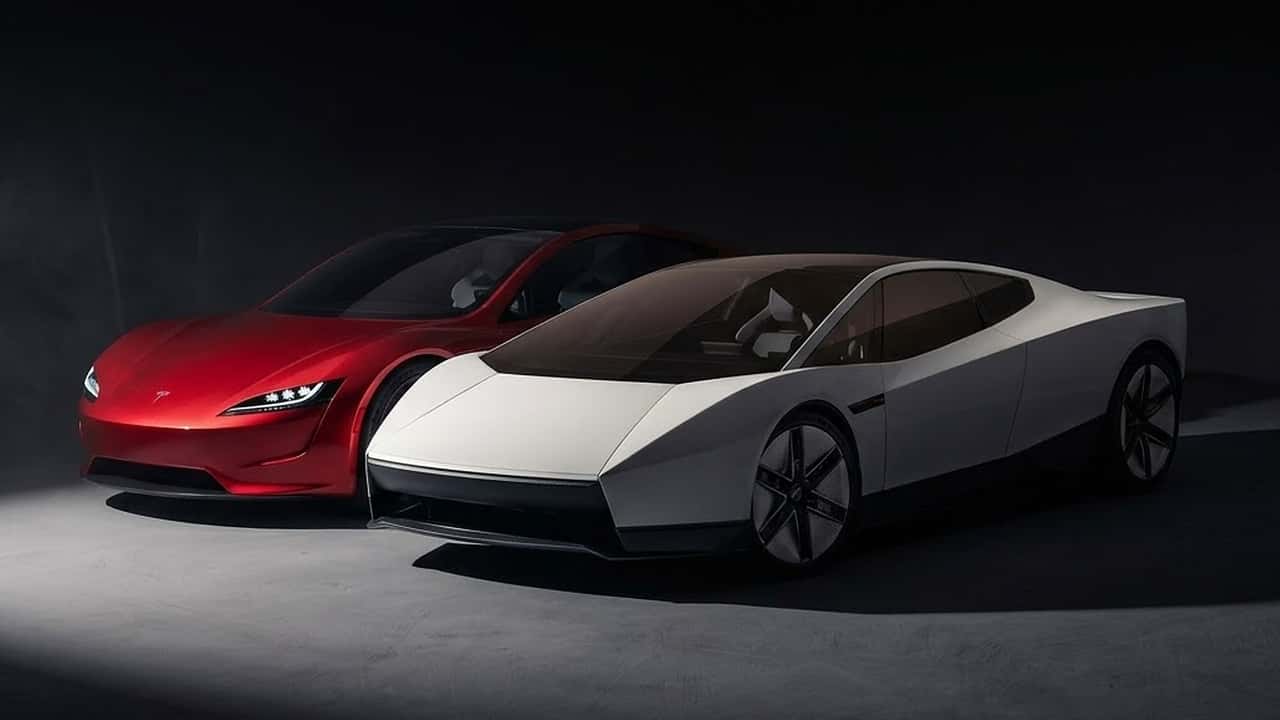

By now, you've probably seen the new Tesla Roadster's borderline absurd performance claims, outlandish stunts, and eye-watering price tag. There's plenty to talk about, but we're more interested in how much the electric supercar's design has changed since its 2017 debut.
Nine years have passed, so some tweaks were inevitable. We didn't necessarily expect a complete redesign that trades the original concept's sleek curves for an angular, Cybertruck-esque look. From nearly every angle, it's radically different, marking a major departure from the car meant to preview the long-delayed production model.
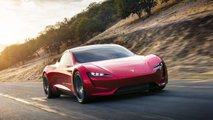
When Tesla introduced the second-generation Roadster in November 2017, the concept looked like a proper supercar, with flowing curves, a low-slung profile, and a clean design that still holds up remarkably well today. It was a futuristic take on the traditional sports car without going overboard with sharp edges or unnecessary visual drama.

2028 Tesla Roadster
2017 Tesla Roadster concept
The Tesla Roadster Undergoes A Clean-Sheet Redesign
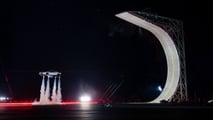
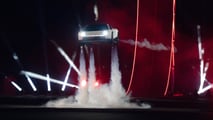
Fast-forward to October 2026, and the production-bound prototype looks like it came from an entirely different design studio. The new Roadster adopts a much more aggressive, wedge-shaped silhouette, with sharp angles and a distinctly aerospace-inspired appearance. The front and rear lighting has also evolved into the inevitable light bars, while more elaborate aerodynamic elements give the car a considerably more technical look.
Of course, nine years is a long time in the automotive industry. Design trends change, engineering requirements evolve, and automakers regularly revise concepts before they reach production. Expecting Tesla to carry over every detail from 2017 would have been unrealistic. However, refining an old design is different from effectively starting over.
The original second-generation Roadster concept had rounded surfaces and conventional supercar proportions, whereas the latest iteration embraces the angular styling that has become synonymous with Tesla's more recent products. The Cybertruck's influence is particularly noticeable in the new car's sharp-edged aesthetic.
2028 Tesla Roadster
2017 Tesla Roadster concept
The Roadster's New Look Is Straight Out Of Top Gun
Tesla says the Roadster draws inspiration from aircraft such as the SR-71 Blackbird and the F-35 fighter jet. That aerospace influence makes sense given the company's lofty performance targets and its collaboration with SpaceX. Still, it also helps explain why the new car looks so different from its predecessor.
The irony is that the 2017 concept already looked futuristic enough to stand out. Tesla didn't necessarily need to reinvent its appearance to make the Roadster feel special in 2026. A few carefully chosen updates could have kept the original design fresh without sacrificing what made it so appealing in the first place.
2028 Tesla Roadster
2017 Tesla Roadster concept
The New Tesla Roadster Is Strictly A Two-Seater
The styling overhaul is only part of the story. Tesla has also changed the Roadster's original formula, shifting from a 2+2 layout to a more focused two-seat machine with steer-by-wire controls, active aerodynamics, and a suite of experimental technologies.
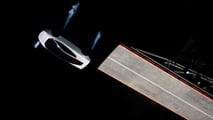
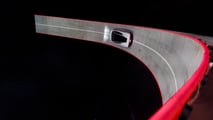
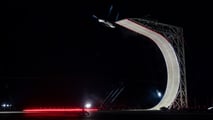
Production is currently planned for 2028, although the project has already endured years of delays. That means customers who placed deposits in 2017 have spent nearly a decade waiting for a car that looks substantially different from what they originally signed up for. Tesla has certainly given them something more radical, but whether the final production model will retain all these design and engineering flourishes remains to be seen.
2028 Tesla Roadster

Was The Old Design Better?
For now, one thing is clear: the new Roadster isn't simply a modernized version of the 2017 concept. It's a complete departure from the original vision, trading its smooth, understated supercar styling for an angular design that looks ready to join Tesla's increasingly unconventional lineup, alongside the Cybertruck.
Personally, I still prefer the original 2017 concept. Its smooth curves and classic supercar proportions have aged well, and I would've liked to see Tesla preserve more of that design. That said, I understand why the company felt the need to make changes after nine years.
The automotive world has moved on, Tesla's design language has evolved, and a production car has different requirements than a show-stopping concept. Still, updating a design is different from starting from scratch, and the new Roadster certainly falls into the latter category.
2017 Tesla Roadster




Discover The New Tesla Roadster:
RECOMMENDED FOR YOU
The New Tesla Roadster Has A Slick Retro-Futuristic User Interface
2027 Jeep Compass Gets A Price Hike As Standard Features Improve
Tesla Roadster Thrusters Need Up To 6 Hours To Refill After Just 5 Seconds Of Use
Mercedes Boss Talks Electric E-Class, Developed From A 'White Sheet Of Paper'
Ferrari's CEO Praises The Tesla Roadster: 'We Have To Keep Dreaming'
Karma Teases A Winged, Track-Ready Coupe For Halloween Reveal In Las Vegas
The Tesla Roadster Reinvents Pop-Up Headlights. Sort Of