Chrysler Is Planning a New Car and SUV Based on the Halcyon Concept
A refreshed Pacifica arrives next year.


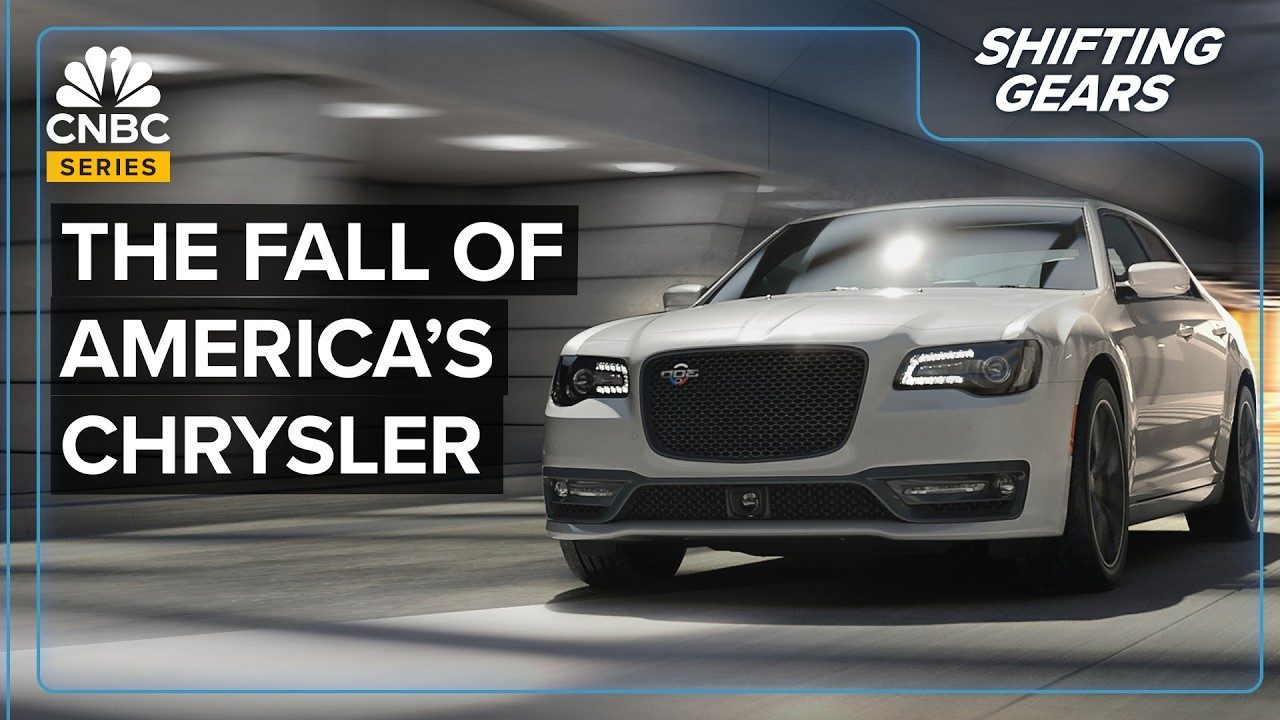
Chrysler, one of over a dozen brands under the Stellantis umbrella, has languished in recent years. The death of the Chrysler 300 at the end of 2023 left the brand with just a minivan in its portfolio, but that's about to change. Chrysler CEO Christine Feuell revealed the brand has two new models in development based on its Halcyon concept, a car and an SUV.
The new models could arrive as soon as next year, with CNBC reporting the brand will launch a new SUV in 2026 with hybrid and battery-electric powertrains. Chrysler will also bring a version of the concept to market, which could be a coupe or sedan.

Feuell said in the interview the company is working to bring the Halcyon "to market in a real industrialized form that's affordable for customers as well."
The concept, which has a sleek design, autonomous driving tech, unrealistic doors, and other cutting-edge ideas, is also a preview for the brand's overall future design language, according to the executive. The car's design elements are "very much the direction that our future design language is going in across the portfolio." She did not, however, elaborate on how closely the production version could resemble the concept.

In addition to the Halcyon-inspired models, Chrysler will refresh the Pacifica for 2026 with a new exterior design. It'll receive an improved hybrid system and spawn a battery-electric version sometime later, but Feuell didn't say when it would arrive. The company will continue offering the 3.6-liter V-6 through the end of the decade.
Stellantis Struggles:

Source: CNBC
RECOMMENDED FOR YOU
Stellantis CEO Sees A 'Huge Opportunity' For Cheap Cars
Fiat's $14,000 Topolino Is Finally Street Legal In The US (Within Reason)
Audi Reportedly Exploring A New Off-Road SUV Based On Scout
A Used Porsche Cayenne Is A Lot Of SUV For The Money: Why Buy?
BMW Moved 1 Million Cars Inside Plants Without Drivers
Mazda Is Quietly Killing One Of Its Most Unusual Engines
Porsche Says No To US Factories While Audi Pours $4 Billion Into Georgia