EV Buyers Still Want More Range Than They Need, BMW Survey Finds
Most Americans drive less than 75 miles a day, but they say they still want at least 300 miles of range before buying an EV.
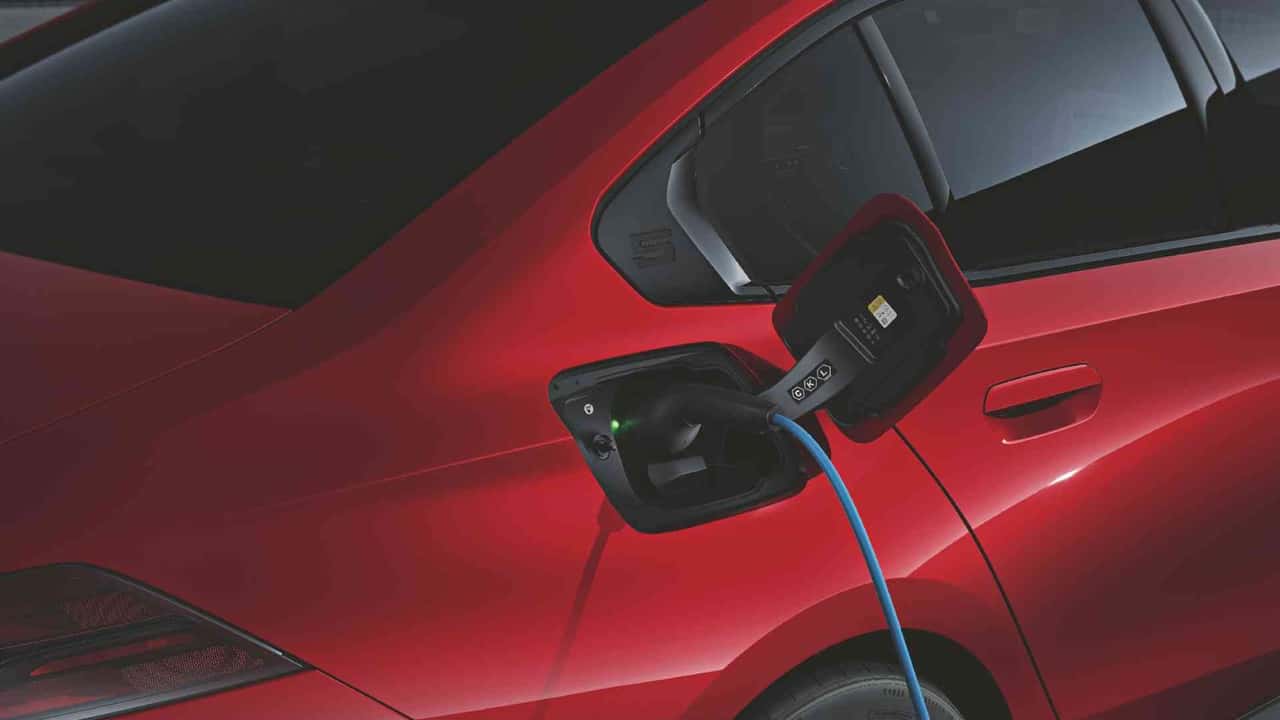

BMW Group North America asked 1,005 US adults how much range they actually use—and the gap with what buyers say they want is massive.
A whopping 73 percent of respondents said 75 miles or less would cover a typical day behind the wheel. Most commutes and errands barely dent a modern EV's battery, yet when asked what they'd want before buying one, the same people said the number jumped significantly.
The survey, run from September 11 to 13, found that:
- 42 percent of people wanted at least 300 miles of range
- 18 percent would not settle for less than 400 miles before even considering an electric vehicle
Daily Driving Rarely Tops 75 Miles
The split is not new to anyone who has watched range anxiety coverage push shoppers toward bigger batteries, but the size of the gap is striking here. Most American driving is short hops: school runs, grocery trips, the commute. BMW's data backs that up directly.
Seventy-two percent of respondents said minimum driving range would be a deciding factor when shopping for an EV, regardless of how little of that range they would use on a given Tuesday. Price still beat range as a worry, with 51 percent stating purchase cost as the main barrier to buying electric.
Alexander Schleicher, head of e-mobility for BMW Group North America, called it a sign the market is maturing:
'As range and charging capability continue to advance, we're seeing consumers evaluate EVs the same way they'd evaluate any other vehicle: on performance, features and value, not on outdated assumptions about range.'
Cost still cuts both ways. Just 27 percent cited lower ownership and operating costs as a reason to go electric, while 55 percent said they would consider a certified pre-owned or used EV if the savings were big enough.

BMW i4
Fast Charging Could Close The Gap
BMW's survey zeroed in on one number that might change more than total range: charging speed. Respondents were asked about an EV that could add roughly 150 miles in a 10-minute stop, the kind of top-up that turns a highway break into a bathroom-and-coffee errand. Fifty-three percent said that capability would make them more likely to consider an EV.
The generational split is wide:
- 70 percent of Gen Z respondents said fast charging would move the needle
- 65 percent of Millennials said the same
- Just 30 percent of Baby Boomers agreed
Acceptable charging windows are loosening too. This year, 55 percent of respondents called 30 minutes or less an acceptable fast-charging stop, up from 48 percent in a 2024 Mini USA survey on EV attitudes. That is still a world away from a Level 1 home outlet, where federal guidance says charging times typically run 8 to 16 hours depending on the vehicle and battery size.
Perception of who buys EVs is shifting too. Just 56 percent of respondents still viewed EV buyers as early adopters, down from 62 percent in BMW's 2025 survey, even as 68 percent overall said they would consider buying one.
More From BMW:
Source: BMW
RECOMMENDED FOR YOU
China's Zeekr Brand Wants To Give BMW And Mercedes A Run For Their Money: Interview
Do Hybrid Engines Actually Wear Out Faster? The Answer Isn't Simple
BMW Moved 1 Million Cars Inside Plants Without Drivers
2027 Jeep Compass Gets A Price Hike As Standard Features Improve
These Automakers Have The Strangest Headquarters
Mercedes Boss Talks Electric E-Class, Developed From A 'White Sheet Of Paper'
The BMW iX5 Makes A Strong Case Against The Gas X5: Driven