Here's What Rally Looked Like Right After Group B Ended
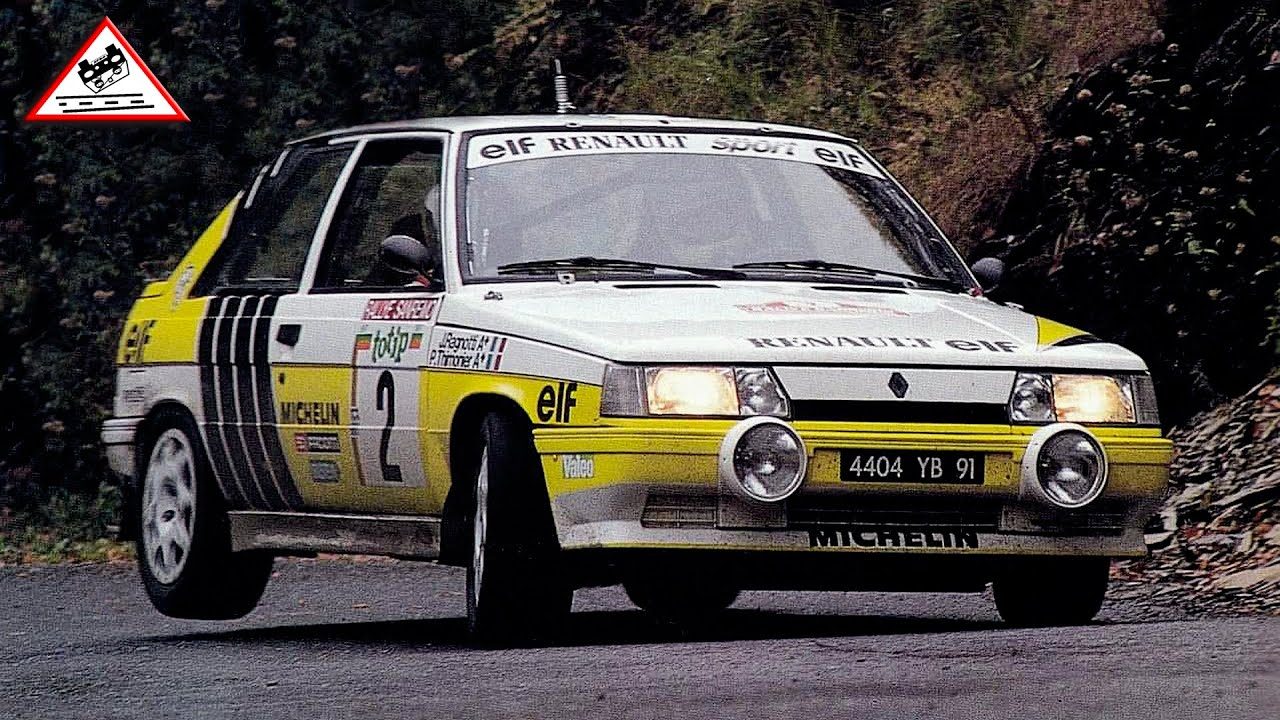
Vintage footage from the Rallye Sanremo in 1987 shows rally remained alive and well after the death of Group B.


Many consider Group B the golden age of stage rally. With fire-breathing 500-plus-horsepower machines and crowds that could match a Formula 1 weekend, we understand how someone could champion the era as the end-all be-all of the sport. But rally didn't end when Group B was canceled in 1986. Instead, it birthed the next generation of iconic metal.
With Group B outlawed, Group A became the premier race class for stage rally in the World Rally Championship in 1987. With limits on things like power, weight, and cost, Group A rally cars were far closer to their road-going counterparts than the outgoing Group B machines, which were essentially full-on race cars with road car bodies.
This 30-minute highlight reel of the 1987 Rallye Sanremo gives an excellent look at what rally had transformed into the year following Group B rally. The cars were narrower, slower, and less extravagant, yes, but the crowds were equally big. Rally was just as popular as it had ever been.
Group A would create some of the most legendary homologation cars in existence, from Ford Cosworths, to Toyota Celica GT-Fours, to legends like the Subaru Impreza WRX and Mitsubishi Lancer Evolution. And unlike Group B, which lasted just four years, Group A regulations were used by the WRC all the way until 2018. So as far as ruleset influence goes, Group B's successor was far more important in the grand scheme of stage rally history.

More Rally
RECOMMENDED FOR YOU

Rare 1928 Bentley Barn Find Could Be Worth Over $1 Million
A Used Porsche Cayenne Is A Lot Of SUV For The Money: Why Buy?
The Toyota Corolla Is 60. Here's A Look Back At Every Generation
Mazda Is Quietly Killing One Of Its Most Unusual Engines
You Can Buy This Wild 1967 Alfa Romeo Giulia Built Like A Le Mans Racer
Are Hybrids Actually Less Reliable? The Answer Isn't So Simple
A Hidden Corvette Collection Was Found In A Texas Trailer Park