When (And When Not) To Use Your Hazard Lights
A simple dashboard button can make the difference between warning other drivers and putting them at risk.
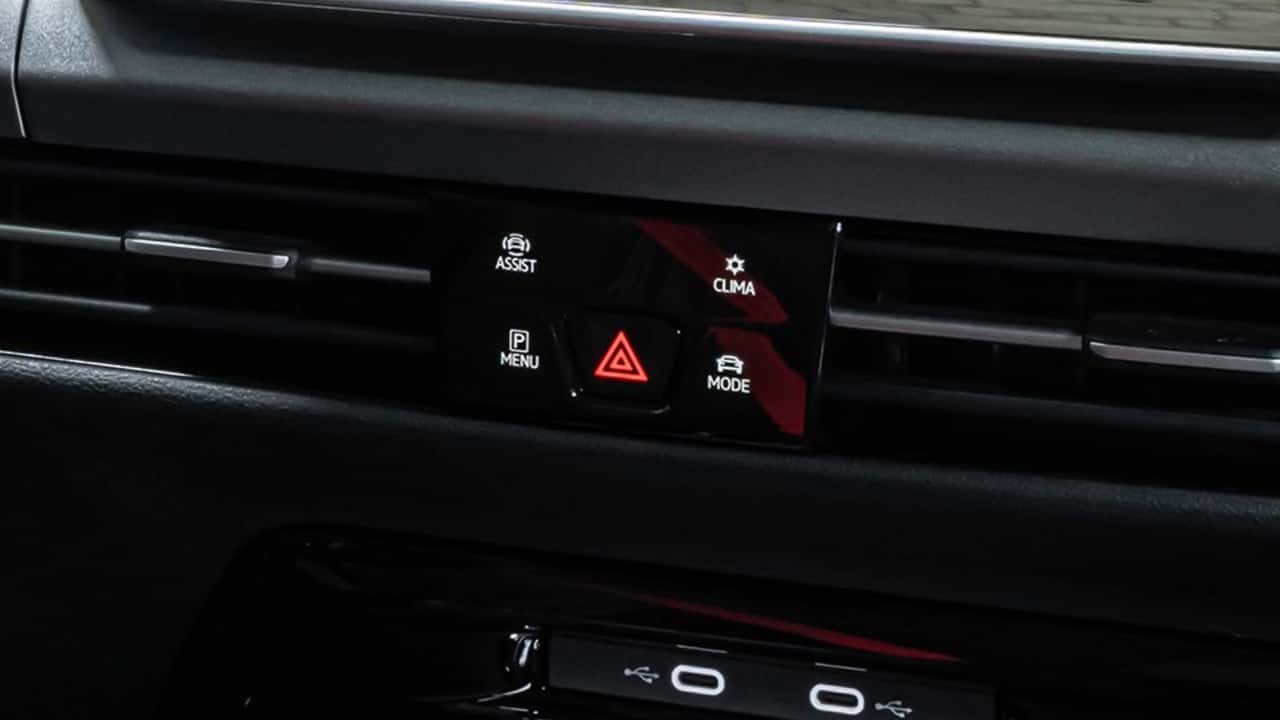

Hazard lights are one of the simplest features in any car, yet drivers don't always agree on when they should be used. Some switch them on whenever it rains heavily, others use them to say thank you after being let into traffic, and plenty of motorists seem to think they're a convenient way to park wherever they want.
But those flashing amber (or red) indicators have a much more important purpose: warning other road users about a potential danger. Knowing when to activate your hazard lights can make a difference in an emergency, particularly when your vehicle breaks down, traffic suddenly slows, or you're forced to stop somewhere unexpected. However, using them incorrectly can confuse other drivers and even result in a traffic violation.
What Are Hazard Lights And How Do They Work?
Hazard lights, also known as emergency flashers or warning lights, are designed to make your vehicle more noticeable when it presents a potential hazard to other road users. They're activated using a dedicated button, usually marked with a red triangle and positioned visibly on the dashboard or center console.
When switched on, the vehicle's left and right turn signals flash simultaneously. This creates a recognizable warning that tells approaching drivers to pay attention and approach with caution.
Unlike ordinary turn signals, which communicate an intended change of direction, hazard lights indicate that something unusual is happening with your vehicle or the traffic around it. They don't automatically mean your car is broken down, either. A vehicle can use them to warn others about an unexpected stop, a dangerous obstruction, or unusually slow-moving traffic.
Although the system is relatively simple, its purpose is important. A vehicle that's stopped on a highway shoulder or suddenly slowing down in moving traffic can create a serious collision risk if approaching drivers don't notice it in time.
When Should You Use Your Hazard Lights?
The most obvious time to use your hazard lights is when your vehicle becomes a potential danger to other drivers. If your car breaks down, suffers a mechanical problem, or is forced to stop somewhere unexpected, activating the emergency flashers makes it easier for approaching motorists to recognize the situation.
There are several situations in which using them can be appropriate:
- Vehicle breakdowns: If your car becomes disabled, switch on the hazard lights to warn approaching traffic while you move to a safe location.
- Unexpected stops: If traffic suddenly comes to a standstill on a highway, briefly activating your hazards can alert drivers behind you to the slowdown.
- Roadside emergencies: If you need to stop on a shoulder or another potentially dangerous location, use your flashers to make the vehicle more visible.
- Unusually slow driving: If your vehicle is moving significantly slower than surrounding traffic because of a mechanical problem or another hazard, hazard lights may be appropriate where local laws permit.
California's Driver Handbook specifically recommends using emergency flashers to warn drivers about hazards ahead and when stopping because of vehicle trouble. The important thing is to use them as a warning, not as a substitute for safe driving.
When Should You Avoid Using Hazard Lights?

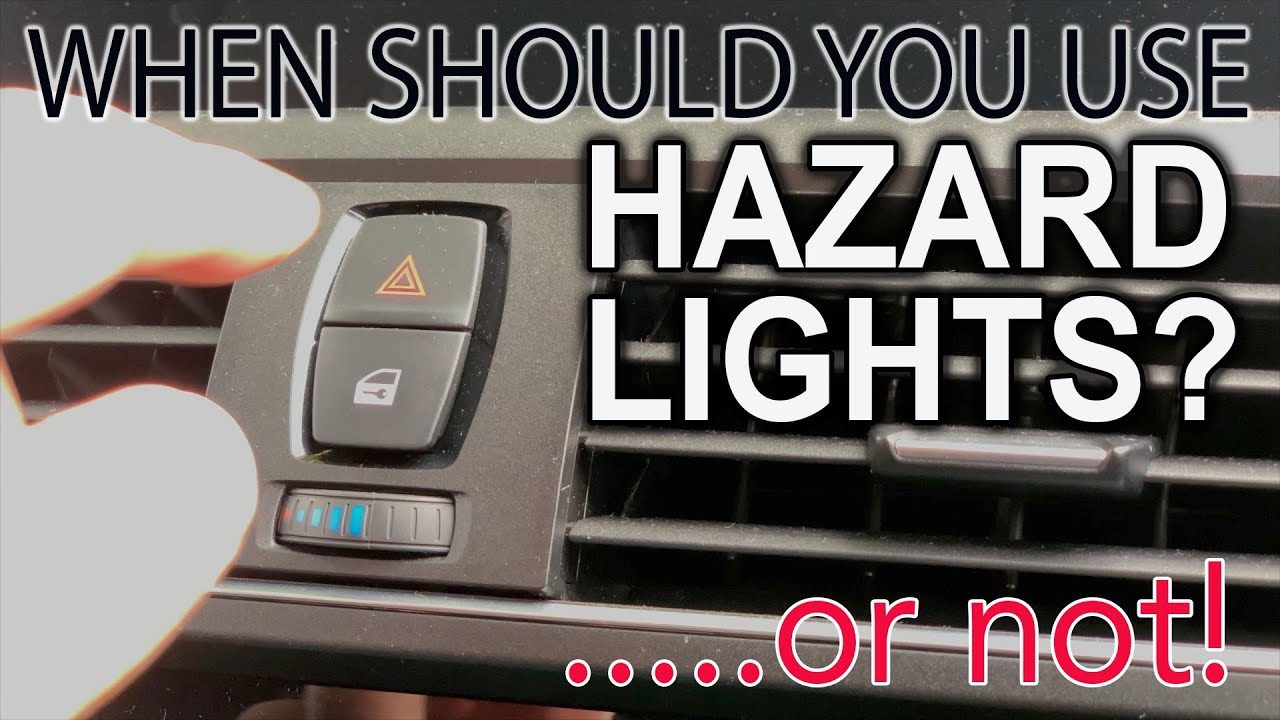
One of the most common mistakes drivers make is switching on their hazard lights whenever driving conditions become uncomfortable. Heavy rain, fog, and snow can reduce visibility, but that doesn't automatically mean your emergency flashers should be activated.
In poor weather, the priority should be reducing your speed, increasing your following distance, and using your headlights appropriately. Hazard lights can make it harder for other motorists to distinguish your intentions, particularly when you're changing lanes or preparing to turn. California's driving handbook, for example, recommends low-beam headlights when windshield wipers are needed because of rain, fog, or snow.
You should also avoid using hazard lights simply to thank another driver, temporarily park illegally, or signal that you're stopping somewhere inconvenient. They're designed to communicate a potential danger, not replace turn signals or excuse unsafe driving.
Driving with hazard lights activated is also restricted in some U.S. states. Even where it's permitted, for example in Ohio, there may be specific conditions governing their use. Never assume that because another driver does it, the practice is legal or safe.
What Should You Do If Your Car Breaks Down?
A breakdown is one of the most important situations in which hazard lights can help. However, switching on the flashers is only the first step. Your priority should be getting yourself and your passengers away from moving traffic.
If your vehicle develops a mechanical problem while driving, remain calm, reduce your speed gradually, and look for a safe place to pull over. A highway shoulder, parking area, or other location away from moving traffic is preferable. Avoid stopping immediately after a blind curve or over the crest of a hill, where approaching drivers may not have enough time to react.
Once stopped, activate your hazard lights and apply the parking brake. If you're on a busy highway, it's generally safest to remain inside the vehicle with your seat belt fastened while waiting for roadside assistance, provided the vehicle is in a reasonably safe location. If staying inside presents an immediate danger, leave only when you can do so safely and move well away from traffic, preferably behind the guardrail.
You should also contact roadside assistance or emergency services if necessary. Remember that flashing hazard lights don't make a stopped vehicle invulnerable. Other motorists may still fail to notice it, particularly at night or in poor weather.
What Drivers Are Saying About Hazard Lights
On r/driving, drivers debated whether hazard lights should be used while driving in heavy rain. One concern was that flashing indicators can make it harder for other motorists to tell whether a vehicle is moving slowly, stopped, or preparing to change lanes. It highlights why hazards shouldn't automatically replace proper lighting and cautious driving in bad weather.
Another discussion on r/driving focused on using hazard lights to warn drivers behind you about sudden traffic slowdowns. Some commenters said they switch them on briefly when approaching a traffic jam or an unexpected obstruction, giving following drivers more time to react. This is one situation where the lights can serve as a useful warning.
There's also debate about using hazard lights as a quick thank-you after another driver lets you merge. In a thread on r/cars, drivers from different countries shared their habits, with some saying the gesture is common where they live and others considering it technically incorrect. It's a friendly custom, but it shouldn't distract from driving or be confused with an actual emergency signal.
Are Hazard Lights Laws The Same In Every State?
Not quite. Although hazard lights serve the same basic purpose across the United States, individual states have different rules governing when drivers can use them.
Some states permit their use while driving in certain hazardous conditions, while others restrict or prohibit using them on a moving vehicle. The conditions can include emergencies, unusually slow speeds, and specific weather-related situations. That's why drivers should check their state's vehicle code or driver's handbook rather than relying on general advice.
There's another important consideration: Move Over laws. According to the National Highway Traffic Safety Administration (NHTSA), all 50 states have laws requiring drivers to move over or slow down when approaching certain stopped vehicles displaying flashing lights. In 19 states and Washington, DC, these protections also extend to additional vehicles displaying hazard lights, including disabled motorists' vehicles.
Used correctly, hazard lights give other drivers an early warning that something is not normal and that extra caution is needed. Used incorrectly, they can create confusion and potentially make an already dangerous situation worse. The best approach is to understand your local laws, recognize real hazards, and remember that those flashing red-triangle buttons are there for emergencies, not everyday driving.
More From Motor101
RECOMMENDED FOR YOU

Is Rustproofing Really Worth The Hassle These Days?
This Nissan 300ZX Sat In A Barn For 28 Years. Now It's Getting A Second Chance
Leather Seats Cracking? You're Probably Cleaning Them Wrong
Mercedes Has 7 New Models Coming In 2027. Here's All Of Them
Modern Cars Are Packed With Sensors. What Do They All Do?
Shaq Bought This Rolls-Royce Phantom On A Whim. Now It's Up For Sale
Why Are Some Traffic Lights Horizontal Instead Of Vertical?